VASCULAR TREATMENT

Peripheral Artery Disease

Expert diagnosis and treatment for peripheral artery disease to help improve circulation, relieve symptoms, and protect your vascular health.


Request an Appointment
Find Confidence in Expert Care
UNDERSTANDING YOUR CONDITION

What Is Peripheral Artery Disease?

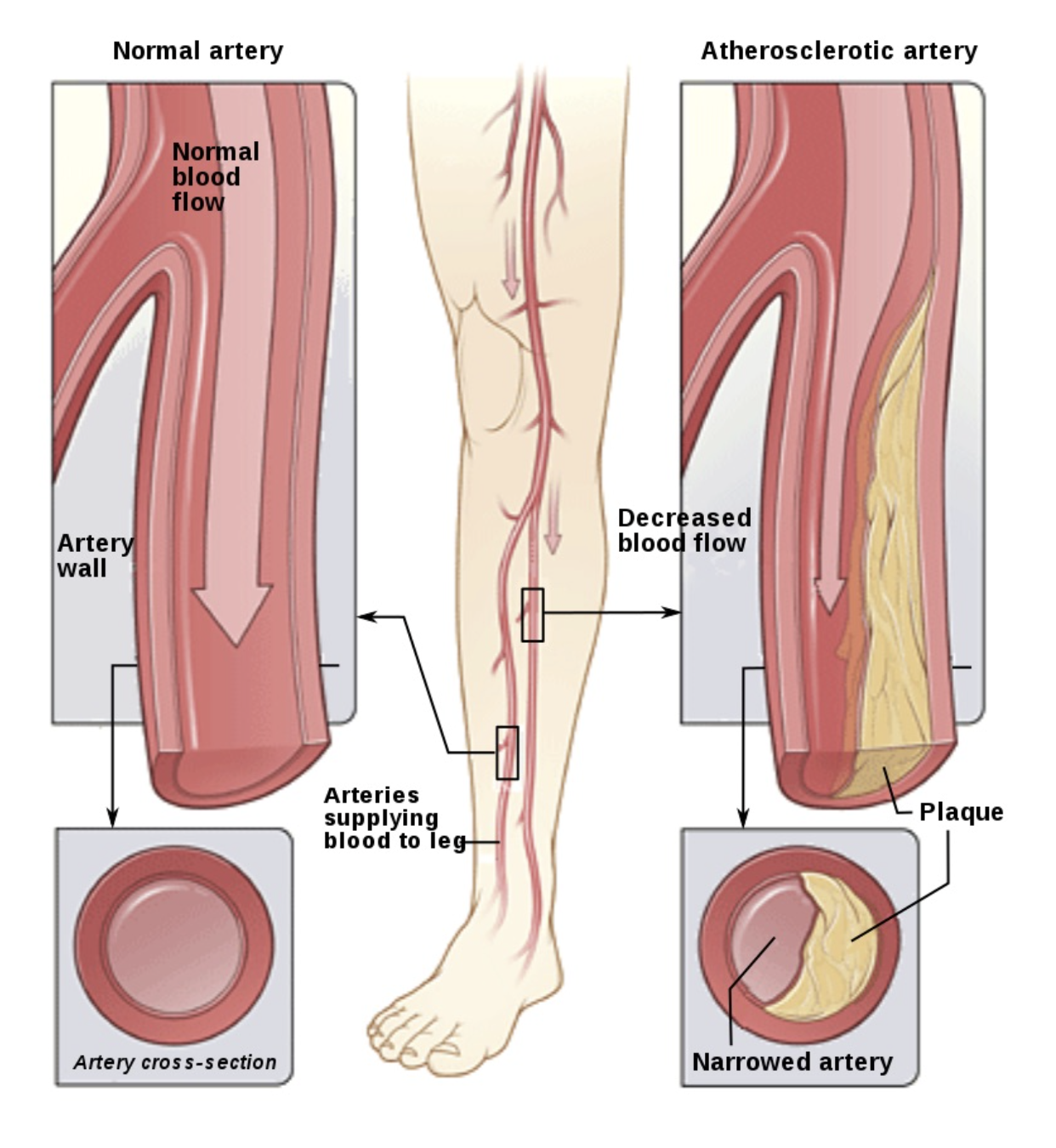
Peripheral artery disease (PAD) occurs when arteries become narrowed, reducing the flow of blood and oxygen throughout the body. PAD commonly affects the legs and can cause discomfort or pain while walking that improves with rest.

As the condition progresses, symptoms can become more noticeable and, in severe cases, may include pain while resting or sores on the toes and feet. Early evaluation can help determine the severity of the disease and the appropriate treatment.
Common Symptoms

  • Leg pain or cramping while walking
  • Numbness or weakness in the legs
  • Coldness in the foot or lower leg
  • Slow-healing sores
  • Weak pulse in the legs or feet
  • Reduced hair or toenail growth
  • Shiny skin on the legs
TREATMENT OPTIONS

How We Treat Peripheral Artery Disease

Treatment depends on the severity of your condition. Our vascular specialists develop a personalized approach designed to improve circulation, manage symptoms, and help you stay active.

Medication & Exercise⌄

Milder cases of peripheral artery disease may be managed with medication and regular exercise. Your physician can recommend an appropriate treatment plan based on your symptoms, overall health, and the severity of your condition.

Angioplasty & Stenting⌄

For more advanced PAD, minimally invasive treatment may be used to improve blood flow through narrowed arteries. Angioplasty opens the affected artery, and in some cases a stent may be placed to help keep the artery open. The current MTV page specifically identifies office-based angioplasty and stenting as treatment options for more severe disease.

Surgical Bypass⌄

When more extensive treatment is necessary, traditional open reconstruction such as bypass surgery may be considered. Bypass creates an alternate route for blood to travel around a narrowed or blocked portion of an artery.

FREQUENTLY ASKED QUESTIONS

Your Questions, Answered

What are the warning signs of peripheral artery disease?⌄

One of the most common symptoms is discomfort or pain in the legs while walking that improves with rest, known as claudication. Other signs can include leg weakness or numbness, coldness in the lower leg or foot, skin discoloration, weak pulses, and sores that are slow to heal.

When should I see a doctor about PAD?⌄

You should talk with a physician if you're experiencing symptoms associated with peripheral artery disease rather than assuming leg pain is simply part of aging. The existing MTV guidance also recommends discussing screening with a physician for certain higher-risk groups, including older adults and people with risk factors such as smoking, diabetes, obesity, or high blood pressure.

Can peripheral artery disease be treated without surgery?⌄

Yes. Treatment depends on the severity of the disease. Milder cases may be managed with medication and exercise, while more severe cases may require procedures such as angioplasty, stenting, or surgical bypass.

Still have questions?

Our team is here to help. Contact us today and we’ll be happy to answer your questions.

Contact Us

Ready to take the next step?

Whether you’ve been referred by your physician or you’re seeking treatment for a vascular condition, our team is here to help.